
Trump likely ‘smirked’ as ‘crass’ Iranian president lashed out at US in UN speech: expert
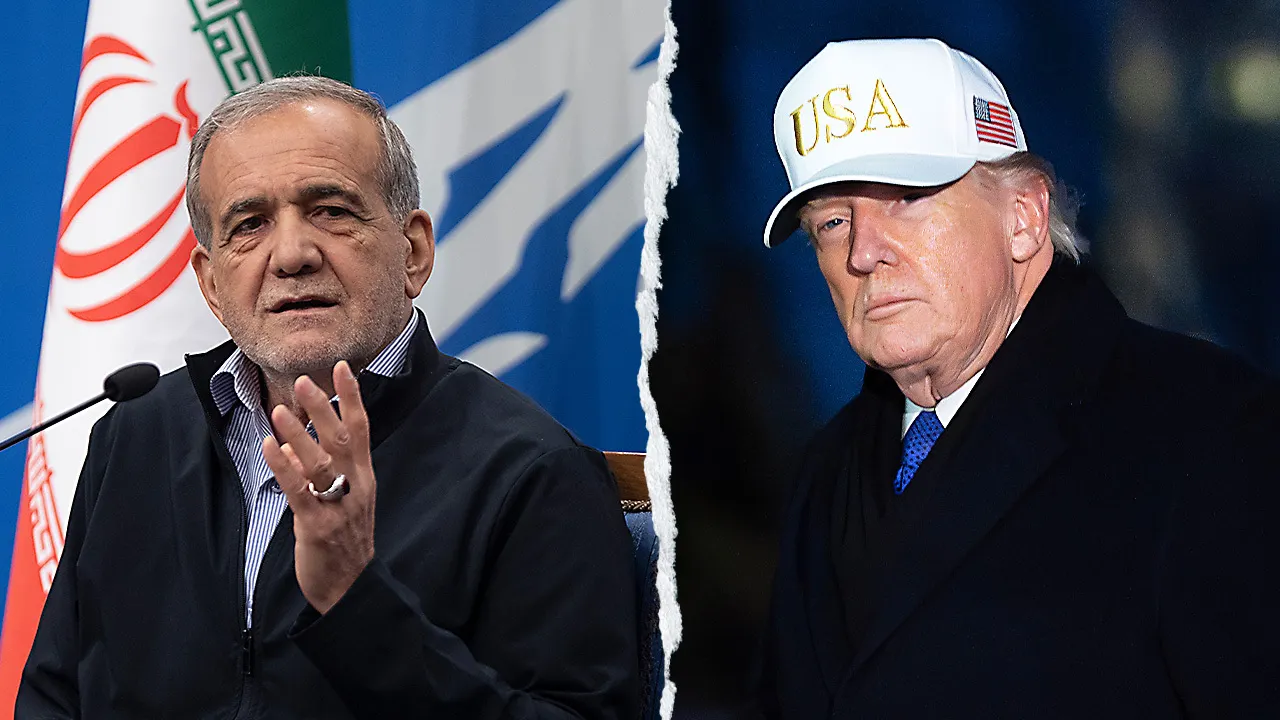
The recent clash of rhetoric at the United Nations General Assembly saw Iranian President Masoud Pezeshkian deliver a blistering critique of Washington, but experts suggest the performance likely fell flat with Donald Trump. According to Behnam Ben Taleblu, a senior fellow at the Foundation for Defense of Democracies, Trump probably met Pezeshkian’s accusations with nothing more than a smirk or a chuckle. Speaking to Fox News Digital, Taleblu noted that Trump operates from a position of strength and recognizes that he holds the cards in the geopolitical struggle, making him largely indifferent to the Iranian leader’s claims of victimization.
During his address, Pezeshkian attempted to frame Iran as a target of cowardice and aggression, specifically accusing the United States and Israel of launching attacks against his country. He insisted that Iran has acted only in self defense and denied any ties to terrorism. However, analysts describe this narrative as crass and disconnected from the Islamic Republic’s actual track record. While Pezeshkian sought sympathy from the Global South by employing anti imperialist language, critics argue that the true victims in the region are the Iranian people living under their own government’s restrictive policies.
This public hostility stood in stark contrast to Donald Trump’s own appearance at the same podium just twenty four hours earlier. Trump offered Tehran a blunt ultimatum, warning that they must choose between reaching a deal or facing total annihilation. Despite these aggressive public stances, there are signs that high level diplomacy is continuing quietly behind the curtain. Reports indicate that U.S. representatives including Jared Kushner and special envoy Steve Witkoff engaged in several hours of productive discussions with Iranian officials via mediators during the assembly.
Ultimately, observers believe both nations are playing a calculated game of chicken, using public threats to gain leverage while simultaneously exploring potential off ramps through backchannel communications. While Pezeshkian signaled an openness to diplomacy provided there is no military pressure, esperti warn that such talks will lead nowhere unless Iran makes substantive changes to its nuclear program and regional behavior. For now, Washington and Tehran remain locked in a predictable cycle of oscillation between hostile shouting matches on the world stage and tentative whispers in private meeting rooms.
Related Stories
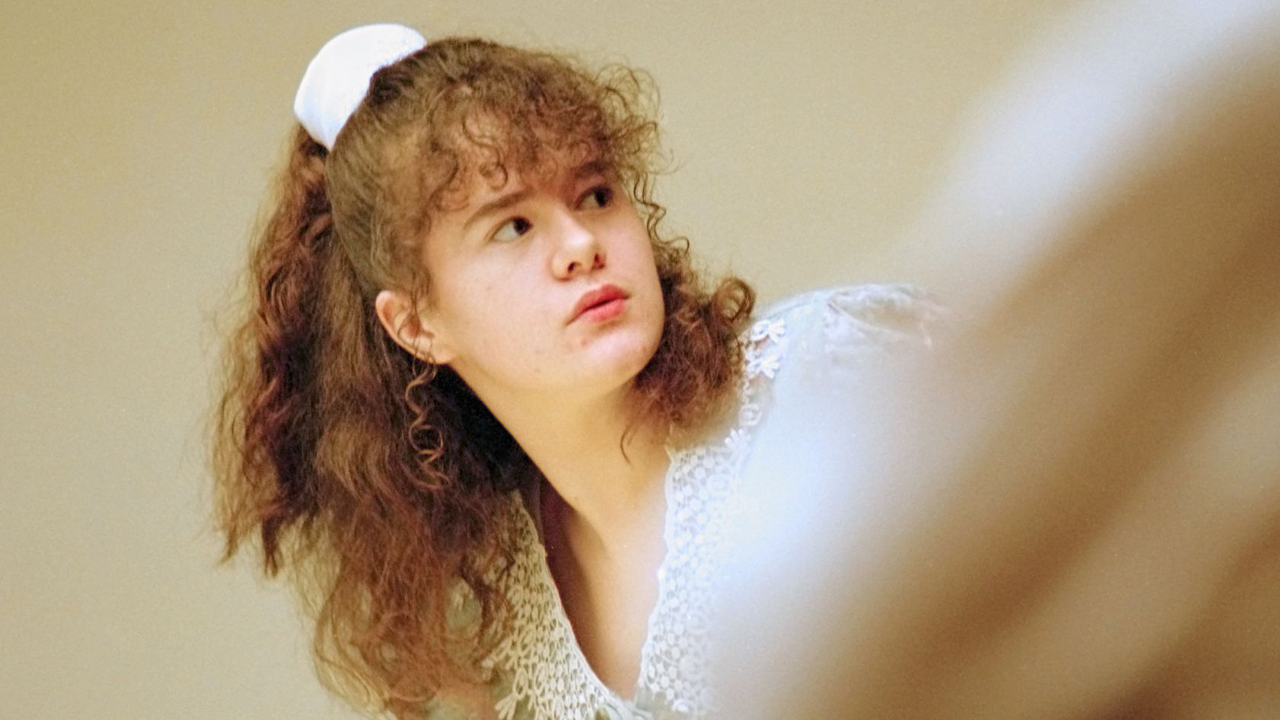
Lawyers, experts urge Tennessee governor to commute Christa Pike’s sentence after botched execution
Lawyers and legal experts are urging Tennessee Governor Bill Lee to commute the death sentence of Christa Pike to life in prison…
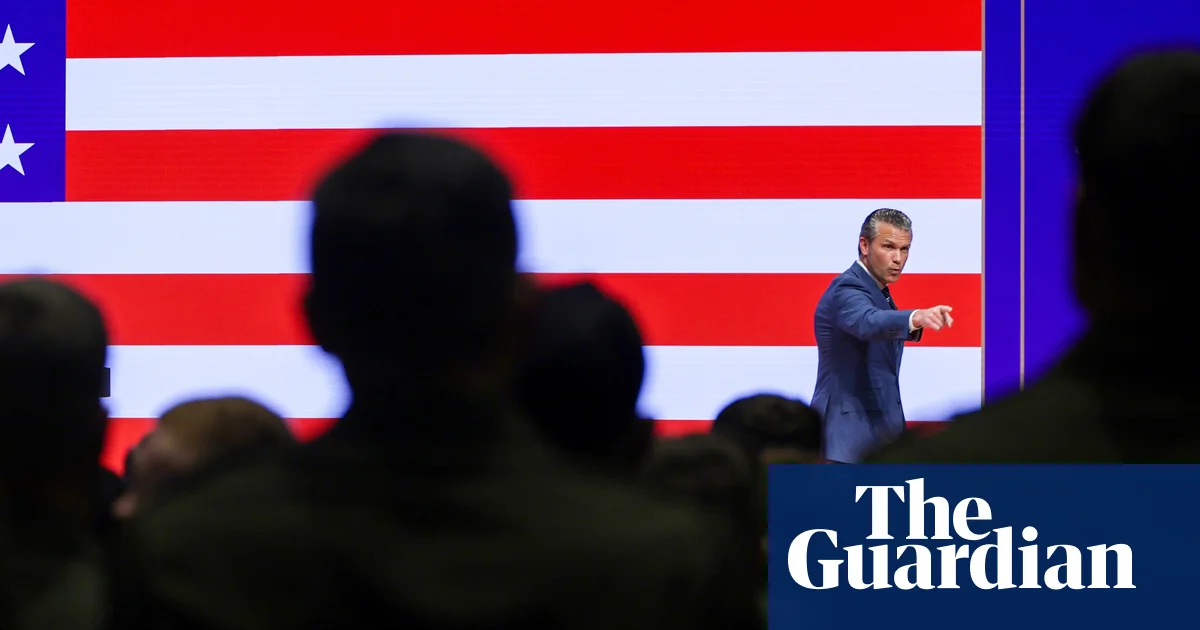
Hegseth confirms plan to cut 20% of US top military brass and rails at ‘beardos, weirdos and wimps’
Defense Secretary Pete Hegseth has ignited a firestorm after confirming plans to slash twenty percent of the United States military’s top brass.…
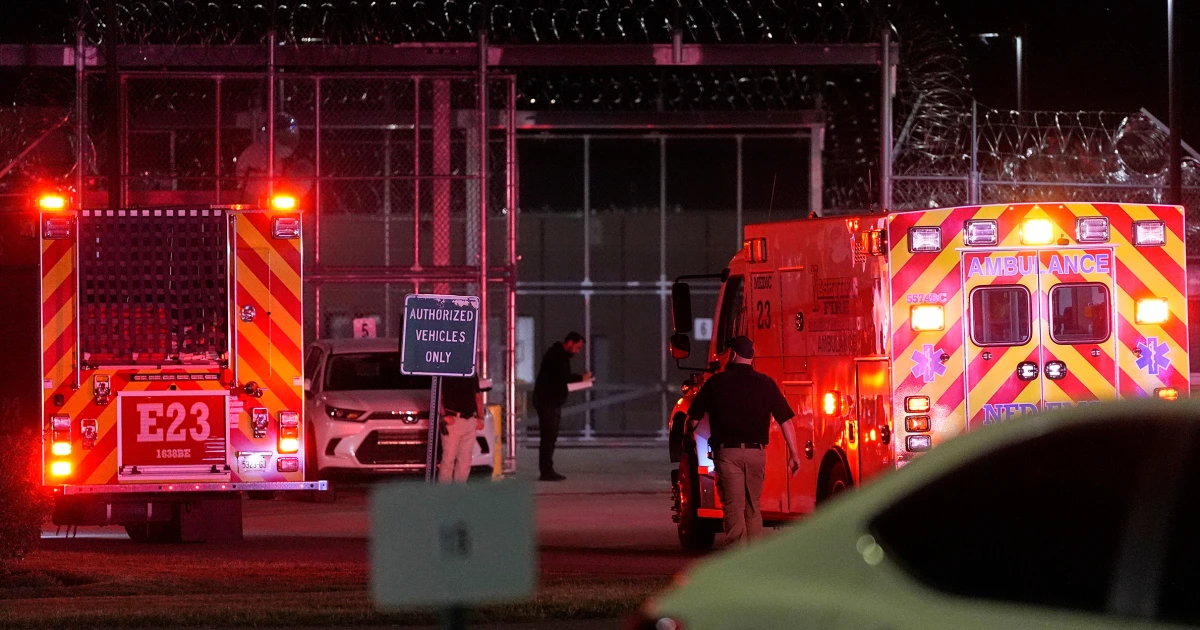
‘It was a mess’: Tennessee fails to execute inmate after 2 lethal injections
Tennessee authorities faced a chaotic and unprecedented scene Wednesday night when the state failed to execute Christa Pike, the only woman currently…