
Endangered sea turtle lays eggs in Calif. for first time in recorded history
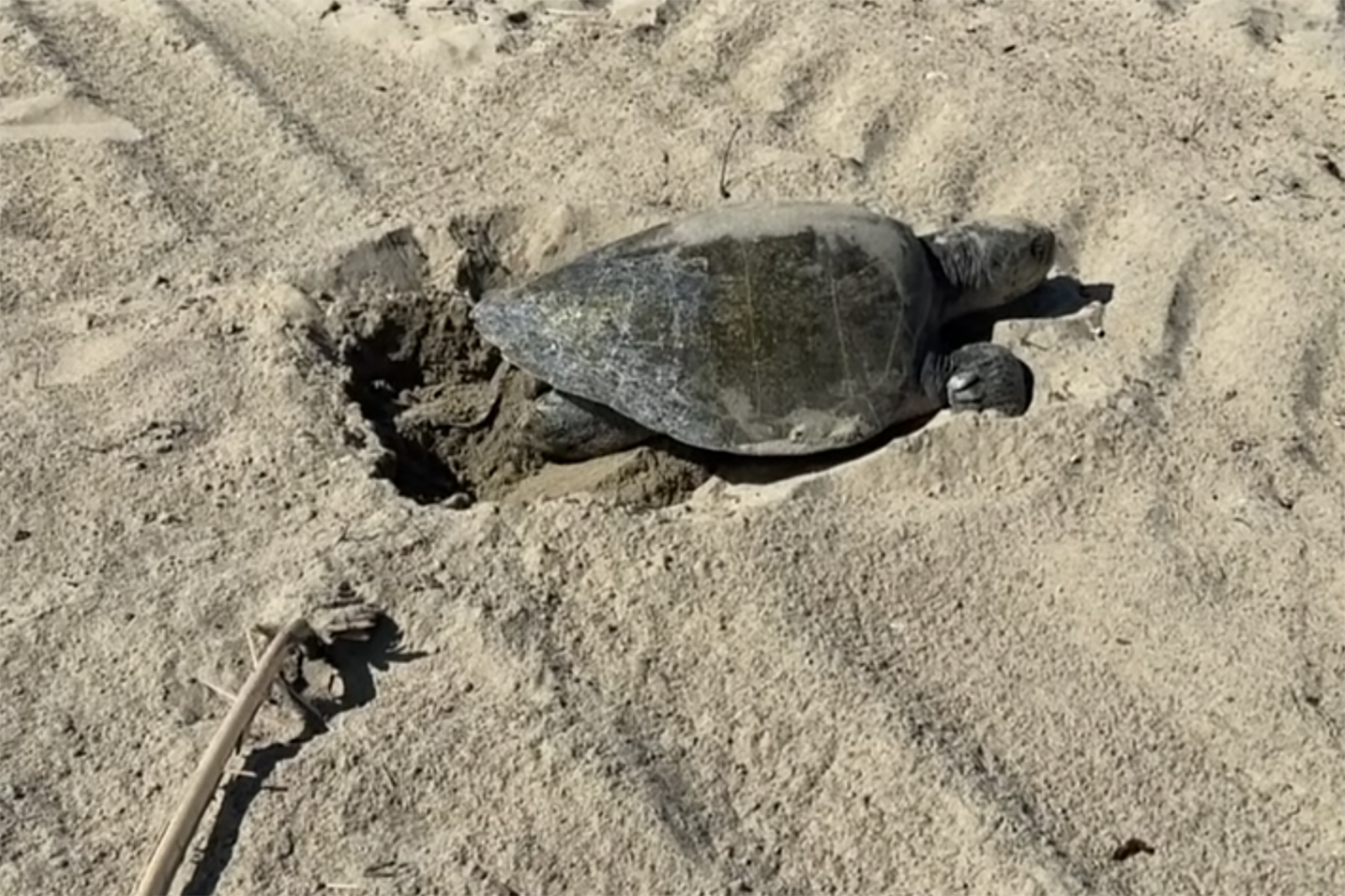
California beaches have witnessed a historic event after an endangered olive ridley sea turtle hauled herself onto the sands of Orange County to lay her eggs. Lifeguards first spotted the creature digging a nest near Seal Beach last Wednesday, marking the first recorded instance of any sea turtle nesting in the state’s history. A few days later, another sighting occurred near the Huntington Beach Pier, leaving experts unsure if they are dealing with one adventurous traveler or multiple visiting turtles.
Jeff Flocken, president of the Aquarium of the Pacific, described the events as unprecedented given that these turtles usually frequent coastlines between Mexico and Panama. While olive ridleys occasionally drift into Southern California waters when temperatures rise, they have historically never stayed long enough to nest this far north. Scientists believe several factors could be driving this behavior, ranging from natural evolutionary shifts to environmental pressures such as coastal development making their traditional homes uninhabitable.
Climate change and weather patterns may also be playing a significant role in this unexpected migration. This year’s powerful El Nino effect and recent heat waves in the Pacific have warmed Northern waters, potentially mimicking the tropical environments these turtles require for successful incubation. There is also a possibility that an active hurricane season pushed the animals off course, leading them to discover California’s warming shores as a viable alternative for their offspring.
To ensure the survival of the potential hatchlings, NOAA has fenced off both nesting sites and installed warning signs for beachgoers. Monitoring will continue over the next 45 to 60 days as officials wait to see if the eggs hatch successfully. Despite these protections, biologists warn that nature remains precarious; predators like coyotes and seabirds pose constant threats, and statistically only one in a thousand hatchlings reaches adulthood. For now, authorities are asking residents to keep a respectful distance and report any new sightings to help preserve this rare biological milestone.
Related Stories

Lawyers, experts urge Tennessee governor to commute Christa Pike’s sentence after botched execution
Lawyers and legal experts are urging Tennessee Governor Bill Lee to commute the death sentence of Christa Pike to life in prison…

Hegseth confirms plan to cut 20% of US top military brass and rails at ‘beardos, weirdos and wimps’
Defense Secretary Pete Hegseth has ignited a firestorm after confirming plans to slash twenty percent of the United States military’s top brass.…

Cornell Jane Doe’s attorney says she told police in 2024: ‘I was raped’
A legal battle surrounding a harrowing allegation of gang rape at Cornell University has taken a sharp turn as conflicting accounts emerge…