
Ballot seizure by Riverside County sheriff was ‘unlawful,’ California Supreme Court rules
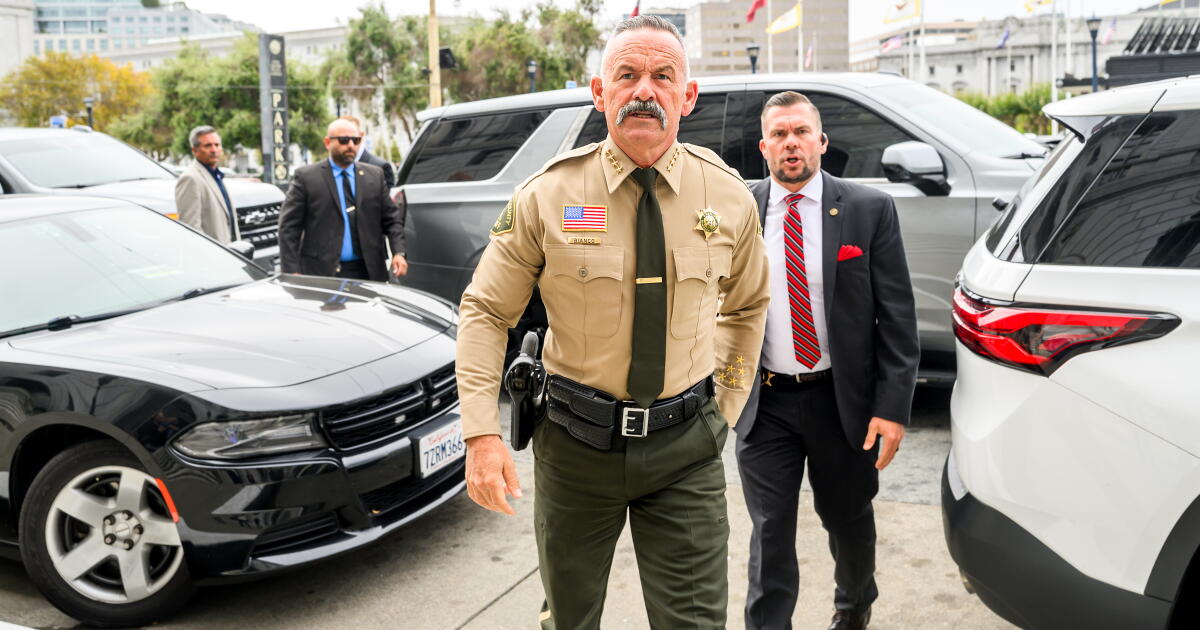
The California Supreme Court issued a stinging rebuke to Riverside County Sheriff Chad Bianco on Thursday, ruling that his seizure of hundreds of thousands of Proposition 50 ballots was entirely unlawful. In a pair of scathing decisions, Chief Justice Patricia Guerrero ordered the former gubernatorial candidate to immediately return all remaining materials. The court clarified that while allegations of election impropriety are serious, the state’s Elections Code provides specific mechanisms for investigations that do not involve compromising the physical integrity of voted ballots.
The conflict began after a pilot program involving a voluntary hand tally showed a discrepancy compared to the official vote count. While election officials explained the gap, Bianco, a prominent figure in the MAGA movement, claimed the results were fraudulent and deployed armed deputies and SWAT teams to commandeer over 650,000 ballots as evidence. He further ignored directives from Attorney General Rob Bonta to stand down, arguing that as sheriff, he was not answerable to state officials. This philosophy aligns with the constitutional sheriffs movement, which posits that local law enforcement can operate independently of higher government authorities.
Justice Guerrero dismantled these arguments, noting that criminal prosecutions must be initiated by public prosecutors and that state law explicitly prohibits removing ballots from a registrar’s physical custody. The justices expressed disbelief at Bianco’s legal theories during oral arguments, with some suggesting his attempts to dismiss the case relied on flawed logic reminiscent of an AI hallucination. The court emphasized that if Bianco suspected crimes, he should have used traditional investigatory tools rather than taking unilateral action against election infrastructure.
Attorney General Bonta praised the ruling as a vital safeguard for democracy, asserting that such defiance cannot be tolerated ahead of critical upcoming elections. Advocates from the UCLA Voting Rights Project had previously warned that without a clear judicial order, such interference could be repeated across the state. Meanwhile, legislators in Sacramento have already begun passing new laws to better protect ballots and empower officials to resist illegal seizures in the future.
Related Stories

Lawyers, experts urge Tennessee governor to commute Christa Pike’s sentence after botched execution
Lawyers and legal experts are urging Tennessee Governor Bill Lee to commute the death sentence of Christa Pike to life in prison…

Hegseth confirms plan to cut 20% of US top military brass and rails at ‘beardos, weirdos and wimps’
Defense Secretary Pete Hegseth has ignited a firestorm after confirming plans to slash twenty percent of the United States military’s top brass.…

Cornell Jane Doe’s attorney says she told police in 2024: ‘I was raped’
A legal battle surrounding a harrowing allegation of gang rape at Cornell University has taken a sharp turn as conflicting accounts emerge…