
US rejects pleas from OpenAI, Anthropic for global AI standards
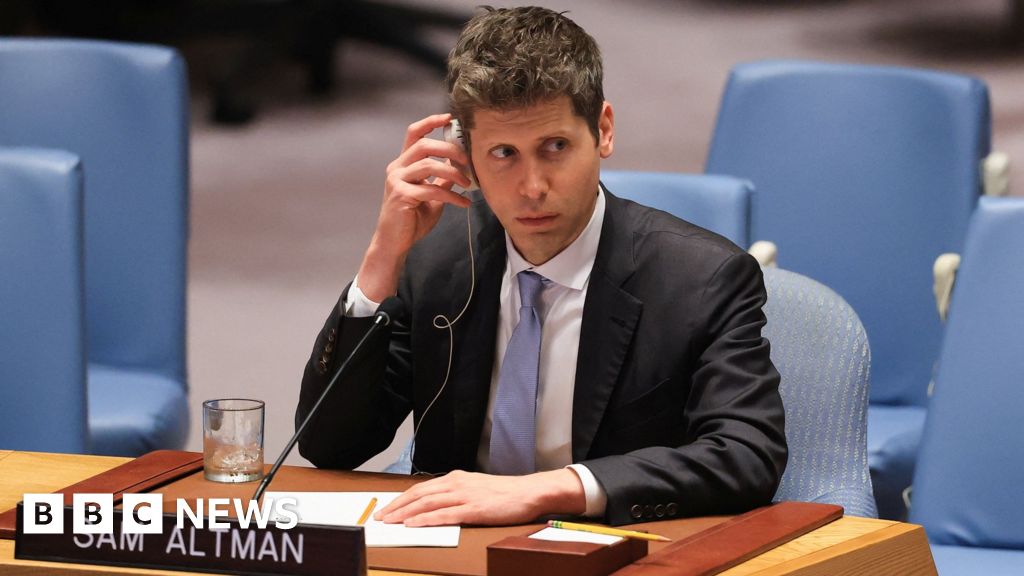
The leaders of some of the worlds most influential artificial intelligence companies are sounding the alarm at the United Nations, urging for a coordinated global effort to manage the risks posed by rapidly evolving technology. Sam Altman of OpenAI, along with Dario Amodei of Anthropic and Clement Delangue of Hugging Face, argued that the sheer speed of AI development requires international standards to prevent potential catastrophes. They called for a shared framework to measure AI capabilities, assess risks, and ensure human oversight remains intact across borders.
During his address, Altman emphasized that critical decisions regarding the future of AI should not be left solely to laboratories in San Francisco. He advocated for a unified language among nations to report incidents and verify compliance, suggesting that transparency is the only way to avoid systemic failure. This sentiment was echoed by Amodei, who warned that poor management of these tools could pose an existential risk to humanity and stated that his own company would be willing to slow its pace of development to prioritize safety above all else.
However, these pleas were met with firm resistance from representatives of the United States government. Michael Kratsios, a key technology advisor to President Donald Trump and former Scale AI executive, explicitly rejected the notion of establishing new global governance structures. While acknowledging that AI development is accelerating and carries inherent risks, Kratsios insisted that these dangers do not justify pausing progress or submitting American innovation to international constraints.
The clash highlights a deepening divide between the tech architects building these systems and the political leadership overseeing them. While CEOs like Altman and Amodei believe that managing AI is too large a task for any single company or country, the U.S. administration appears determined to keep regulatory control domestic. By echoing President Trump’s recent stances against restrictive mandates, Kratsios made it clear that Washington views global coordination not as a safeguard, but as a hindrance to technological dominance.
Related Stories

Lawyers, experts urge Tennessee governor to commute Christa Pike’s sentence after botched execution
Lawyers and legal experts are urging Tennessee Governor Bill Lee to commute the death sentence of Christa Pike to life in prison…
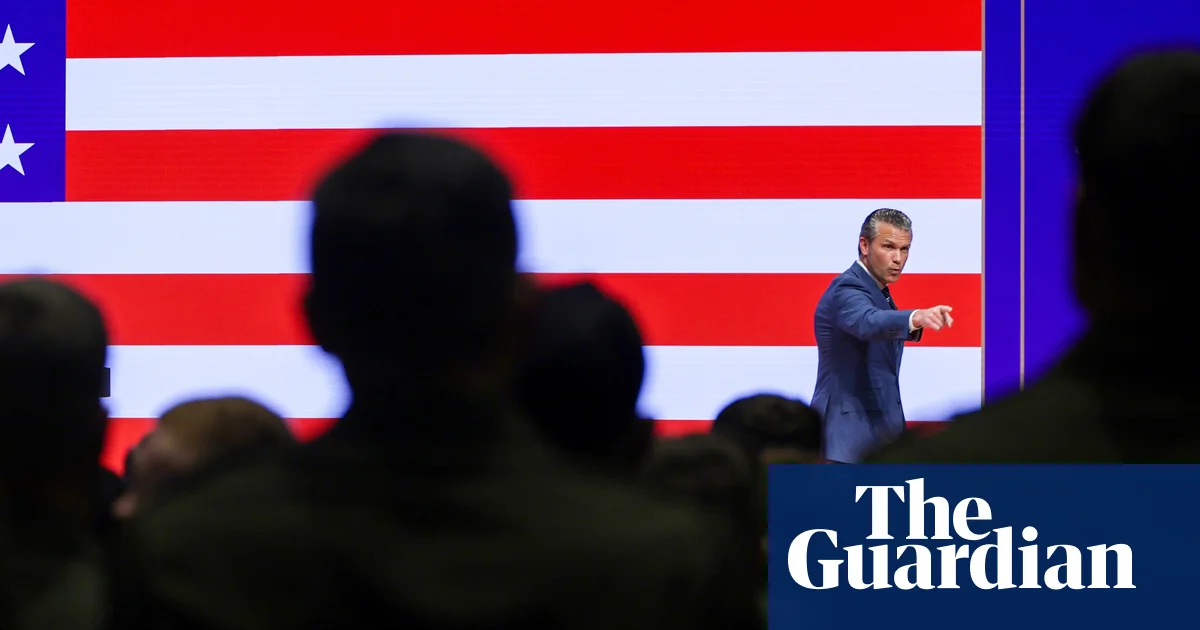
Hegseth confirms plan to cut 20% of US top military brass and rails at ‘beardos, weirdos and wimps’
Defense Secretary Pete Hegseth has ignited a firestorm after confirming plans to slash twenty percent of the United States military’s top brass.…

Cornell Jane Doe’s attorney says she told police in 2024: ‘I was raped’
A legal battle surrounding a harrowing allegation of gang rape at Cornell University has taken a sharp turn as conflicting accounts emerge…