
El Niño goes wild: Pacific Ocean under siege from tropical cyclones
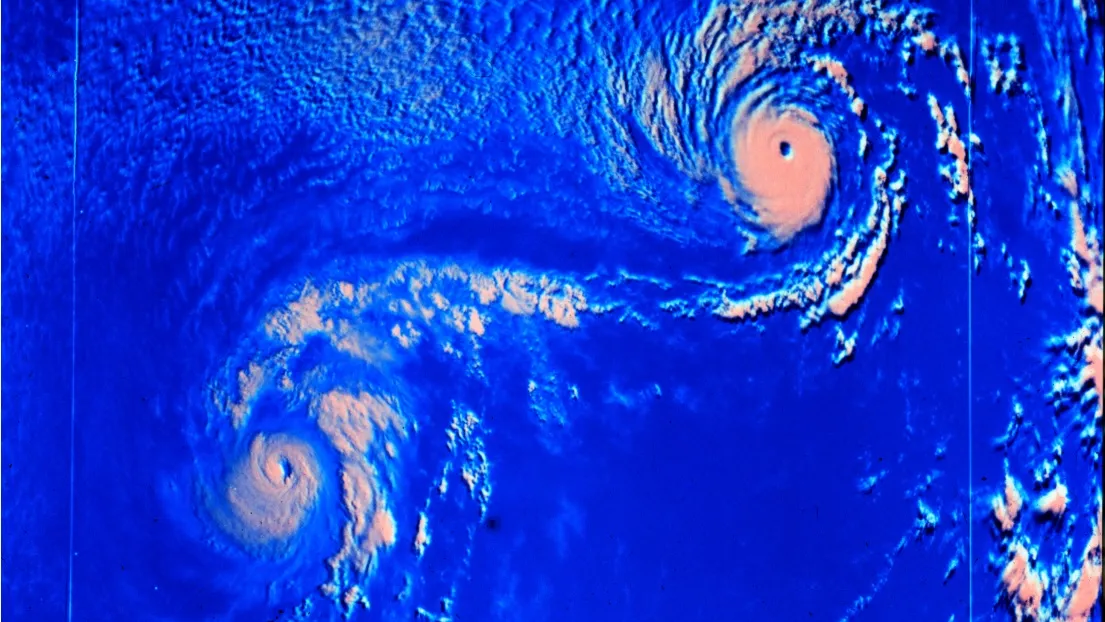
The Pacific Ocean has transformed into a volatile cauldron of activity as a powerhouse El Nino fuels a relentless string of tropical cyclones. At the center of the current chaos is Hurricane Polo, which exploded into a monstrous Category 5 storm with sustained winds reaching 180 mph. This rapid intensification saw Polo gain an incredible 95 mph in wind speed in less than a day, making it the third Category 5 hurricane in the eastern Pacific this season. While the storm remains relatively compact, its sheer power is already being felt far inland, as it pushes a massive plume of tropical moisture northward into New Mexico, where forecasters expect several inches of heavy rain.
Adding to the atmospheric drama is Tropical Storm Odalys, which is currently tracking near Polo off the coast of Mexico. Meteorologists are closely monitoring the possibility of the Fujiwhara Effect, a rare phenomenon where two spinning storms lock into a binary dance around a common center. If these systems draw close enough, they could essentially slingshot one another across the ocean or even merge into a single, more devastating entity. Experts warn that such interactions create extreme climate chaos, making future tracks nearly impossible to predict with certainty.
Meanwhile, residents in Hawaii are bracing for further instability as they keep an eye on a developing system near the Big Island. The remnants of a previous depression are showing signs of reorganization and could bring torrential rains and wind gusts up to 60 mph by later this week. For many islanders, this represents yet another brush with tropical volatility in what has been an exhausting year for those living in the path of these storms.
This frenetic energy in the Pacific stands in stark contrast to the unusual silence found in the Atlantic basin. While the east is under siege, the Atlantic has remained remarkably sleepy throughout 2026, producing only six minor tropical storms and failing to generate a single hurricane thus far. It serves as a vivid reminder of how El Nino can shift global weather patterns, leaving one half of the world in eerie calm while shoving the other into total turmoil.
Related Stories

Lawyers, experts urge Tennessee governor to commute Christa Pike’s sentence after botched execution
Lawyers and legal experts are urging Tennessee Governor Bill Lee to commute the death sentence of Christa Pike to life in prison…

Hegseth confirms plan to cut 20% of US top military brass and rails at ‘beardos, weirdos and wimps’
Defense Secretary Pete Hegseth has ignited a firestorm after confirming plans to slash twenty percent of the United States military’s top brass.…

Cornell Jane Doe’s attorney says she told police in 2024: ‘I was raped’
A legal battle surrounding a harrowing allegation of gang rape at Cornell University has taken a sharp turn as conflicting accounts emerge…