
Trump tells female MS Now reporter to ‘be quiet’ amid questions on press pool ban
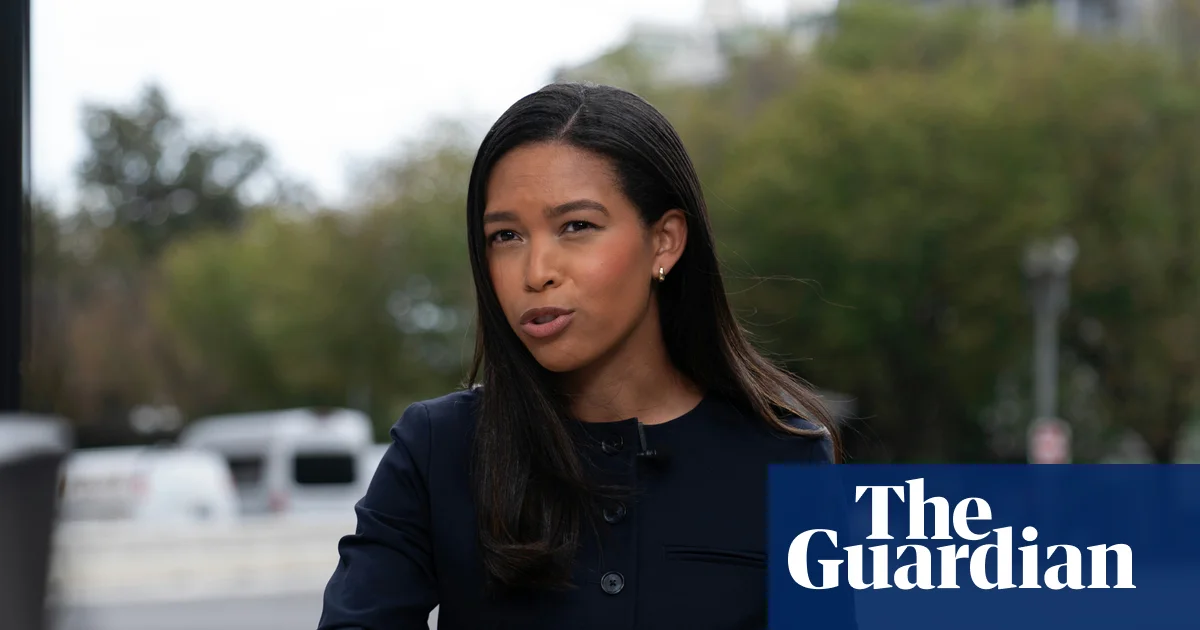
Donald Trump intensified his ongoing war with the media on Saturday, telling an MS Now reporter to be quiet after she questioned his decision to restrict certain news outlets from the official press pool. The exchange occurred as the president departed the White House, following a series of aggressive moves by his administration to sideline broadcasters he deems overly critical. When correspondent Akayla Gardner asked if he only wanted supportive outlets in the press pool, Trump dismissed her by claiming he wanted real news rather than fake news. As Gardner pushed further, asking if he simply didn’t want to face tough questions, Trump responded bluntly by telling her to be quiet.
The confrontation comes amidst a period of extreme tension between the White House and the press corps. Just days ago, administration officials revoked credentials for several major organizations, including CNN and Politico, in what Trump himself described as a ban on the free press. While a federal judge briefly restored access for these blacklisted outlets on Thursday, reporters still found themselves blocked from covering high profile events, such as a recent state dinner for Chinese President Xi Jinping. This pattern suggests a growing trend in Trump’s second term where female journalists posing challenging questions are frequently silenced or belittled.
The friction reached a breaking point on Friday when the White House stripped CNN of its role in providing pool television coverage for a presidential trip to Tennessee. Traditionally managed by the White House Correspondents Association, these rotations have now fallen under direct administration control. Instead of CNN accompanying the president to a college football game in Knoxville, the spot was given to Real America’s Voice, a pro-Trump network that lacked the technical capacity to share live feeds with other broadcasters. Rather than comprehensive reporting, the network provided curated clips highlighting Trump’s appearance on a stadium jumbotron.
Media analysts warn that this shift toward selective access represents a dangerous precedent for government transparency. Brian Stelter of CNN noted that while specific networks are currently being targeted for reporting unpleasant truths about the administration, such tactics could eventually be applied to any news organization regardless of size or affiliation. Upon returning to Washington on Saturday afternoon, Trump avoided taking questions from print reporters altogether, furthering the perception that he is actively insulating himself from scrutiny through administrative force and personal dismissals.
Related Stories
Lawyers, experts urge Tennessee governor to commute Christa Pike’s sentence after botched execution
Lawyers and legal experts are urging Tennessee Governor Bill Lee to commute the death sentence of Christa Pike to life in prison…
Hegseth confirms plan to cut 20% of US top military brass and rails at ‘beardos, weirdos and wimps’
Defense Secretary Pete Hegseth has ignited a firestorm after confirming plans to slash twenty percent of the United States military’s top brass.…
Cornell Jane Doe’s attorney says she told police in 2024: ‘I was raped’
A legal battle surrounding a harrowing allegation of gang rape at Cornell University has taken a sharp turn as conflicting accounts emerge…