
What the Supreme Court’s voter-citizenship database decision means for the midterms
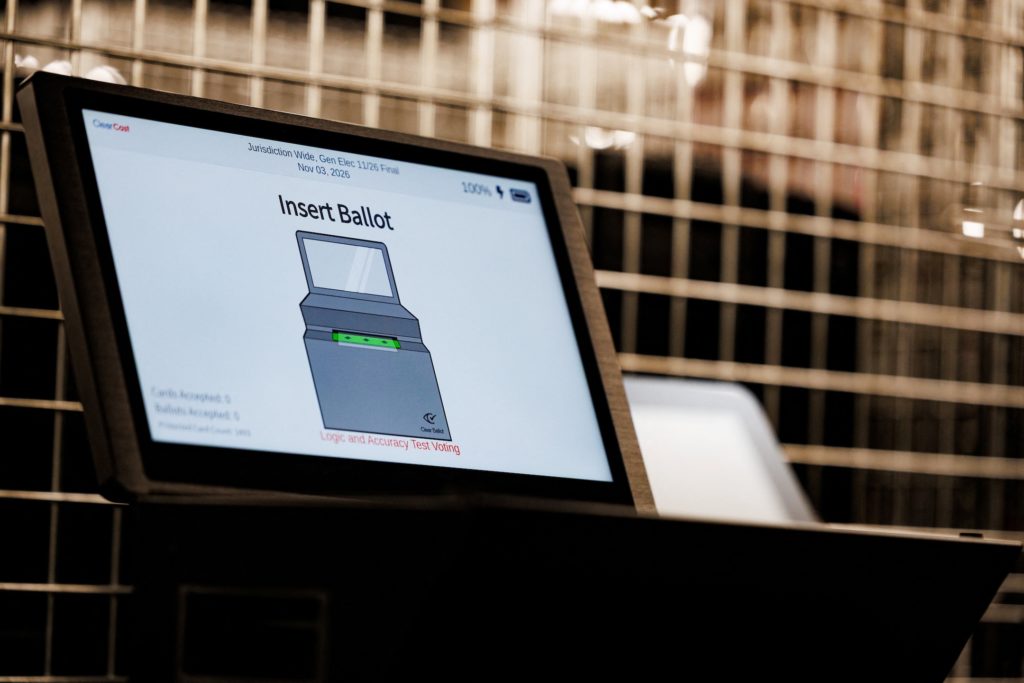
The Supreme Court has cleared the way for the Trump administration to revive a controversial voter citizenship database, granting states the ability to cross reference their voter rolls against Department of Homeland Security records. By staying a previous lower court ruling, the high court has essentially unlocked a modified version of the Systematic Alien Verification for Entitlements, better known as the SAVE database. While the system was originally intended to track noncitizens within the country, recent updates allow states to conduct mass batch searches rather than checking individuals one by one, turning it into a powerful tool for purging potential noncitizens from registration lists.
Despite the magnitude of the ruling, experts suggest that voters are unlikely to feel the immediate effects during this specific midterm cycle. This is due to a critical window provided by the National Voter Registration Act, which prohibits officials from removing names from voter rolls within ninety days of a federal election. Because the clock is already ticking toward November, any flags raised by the database cannot result in immediate deletions from the polls. However, analysts warn that this creates a massive shift in infrastructure that will fundamentally change how election administrators manage voter eligibility moving forward.
Concerns remain regarding the actual reliability of the data being utilized. Critics and dissenting justices have pointed out that government databases rarely communicate perfectly and are often plagued by human error during data entry. There is a significant risk that newly naturalized citizens could be wrongly flagged as ineligible simply because their updated status hasn’t filtered through various agency systems yet. Similar issues have surfaced previously in states like Texas, where mismatches led to legitimate voters being questioned about their legal standing.
For those worried about being erroneously purged, there is some solace in local bureaucracy. Local county clerks generally serve as the final gatekeepers and typically perform secondary checks before officially removing someone from a roll. These administrative layers act as a buffer against federal glitches, though advocates argue that relying on individual clerk diligence is an imperfect solution to a systemic technical flaw. As states begin integrating these tools into their processes, the tension between ensuring election integrity and protecting eligible voters continues to intensify.
Related Stories

Lawyers, experts urge Tennessee governor to commute Christa Pike’s sentence after botched execution
Lawyers and legal experts are urging Tennessee Governor Bill Lee to commute the death sentence of Christa Pike to life in prison…

Hegseth confirms plan to cut 20% of US top military brass and rails at ‘beardos, weirdos and wimps’
Defense Secretary Pete Hegseth has ignited a firestorm after confirming plans to slash twenty percent of the United States military’s top brass.…

Cornell Jane Doe’s attorney says she told police in 2024: ‘I was raped’
A legal battle surrounding a harrowing allegation of gang rape at Cornell University has taken a sharp turn as conflicting accounts emerge…