
Trump cancels nearly $1bn in funding approved by Congress
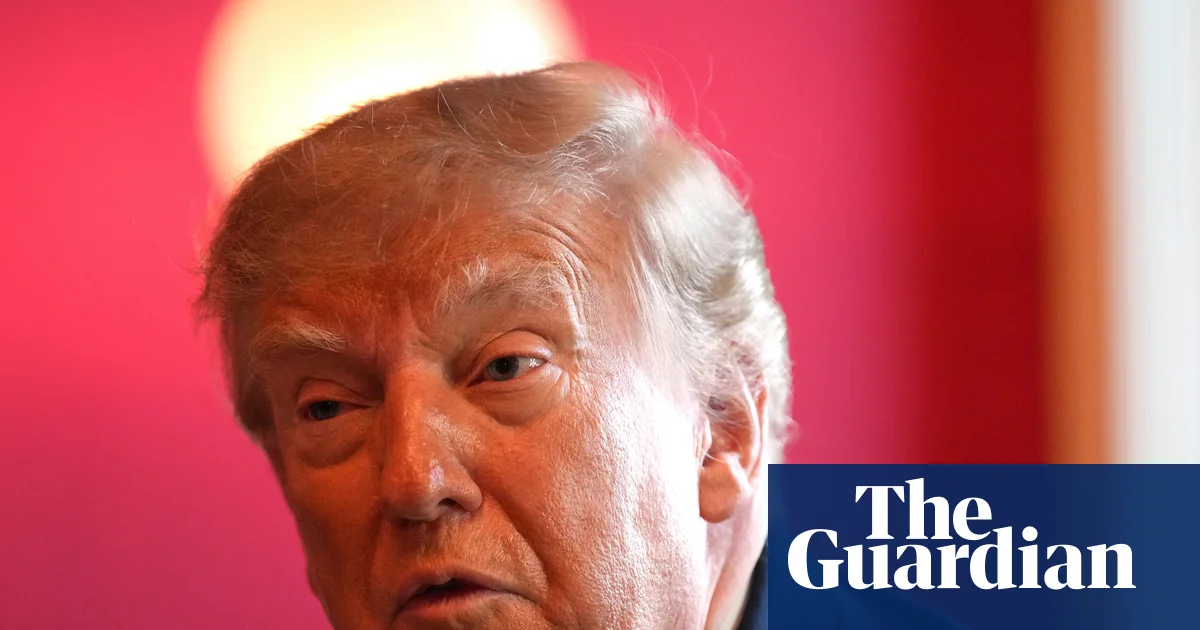
The White House announced on Friday that Donald Trump is canceling nearly one billion dollars in spending previously approved by Congress, utilizing a rare and highly contested legal mechanism to eliminate funding for diversity initiatives and immigrant services. According to the Office of Management and Budget, these cuts target what the administration describes as the most harmful government spending. A significant portion of the reductions affects nonprofits providing aid to refugees and unaccompanied minors, with officials claiming the money is no longer needed due to a decrease in illegal border crossings. In a pointed addition, a White House press release noted that several affected organizations are led by individuals who served under former President Barack Obama.
The move has sparked immediate backlash from both sides of the aisle, including from within Trump’s own party. Senator Susan Collins, a Republican facing a difficult re-election bid and chair of the Senate Appropriations Committee, condemned the action as a usurpation of congressional power. Collins stated that the cuts were implemented without any prior warning or consultation, calling the maneuver an illegal act that undermines the legislative branch’s constitutional authority over public finances. Joining her in criticism was Democratic Senator Patty Murray, who characterized the move as theft from the American people and argued that it ignores bipartisan agreements intended to help vulnerable families.
Legal experts and critics point out that Trump timed this announcement specifically to avoid congressional oversight, revealing the plan with only five days remaining in the federal fiscal year. This tactic, often referred to as a pocket rescission, has been labeled illegal by the Government Accountability Office because it prevents lawmakers from reviewing or blocking the cuts before they take effect. While Trump successfully used similar tactics last year to block billions in foreign aid—a move upheld by the Supreme Court due to his broad authority over international affairs—this current effort marks an aggressive shift toward applying those same methods to domestic spending.
Observers suggest this latest clash is part of a larger trend of executive expansion under the Trump administration. By bypassing Congress on issues ranging from tariff increases and personnel firings to military conflicts in Iran, the presidency appears increasingly intent on consolidating control over various arms of government. As these disputes continue to mount, much of the responsibility for defining the boundaries between executive action and legislative will now falls upon the judicial system to determine where presidential power ends and constitutional law begins.
Related Stories

Lawyers, experts urge Tennessee governor to commute Christa Pike’s sentence after botched execution
Lawyers and legal experts are urging Tennessee Governor Bill Lee to commute the death sentence of Christa Pike to life in prison…
Hegseth confirms plan to cut 20% of US top military brass and rails at ‘beardos, weirdos and wimps’
Defense Secretary Pete Hegseth has ignited a firestorm after confirming plans to slash twenty percent of the United States military’s top brass.…

Cornell Jane Doe’s attorney says she told police in 2024: ‘I was raped’
A legal battle surrounding a harrowing allegation of gang rape at Cornell University has taken a sharp turn as conflicting accounts emerge…