
Judicial Brake Applied to Controversial Monument Plan
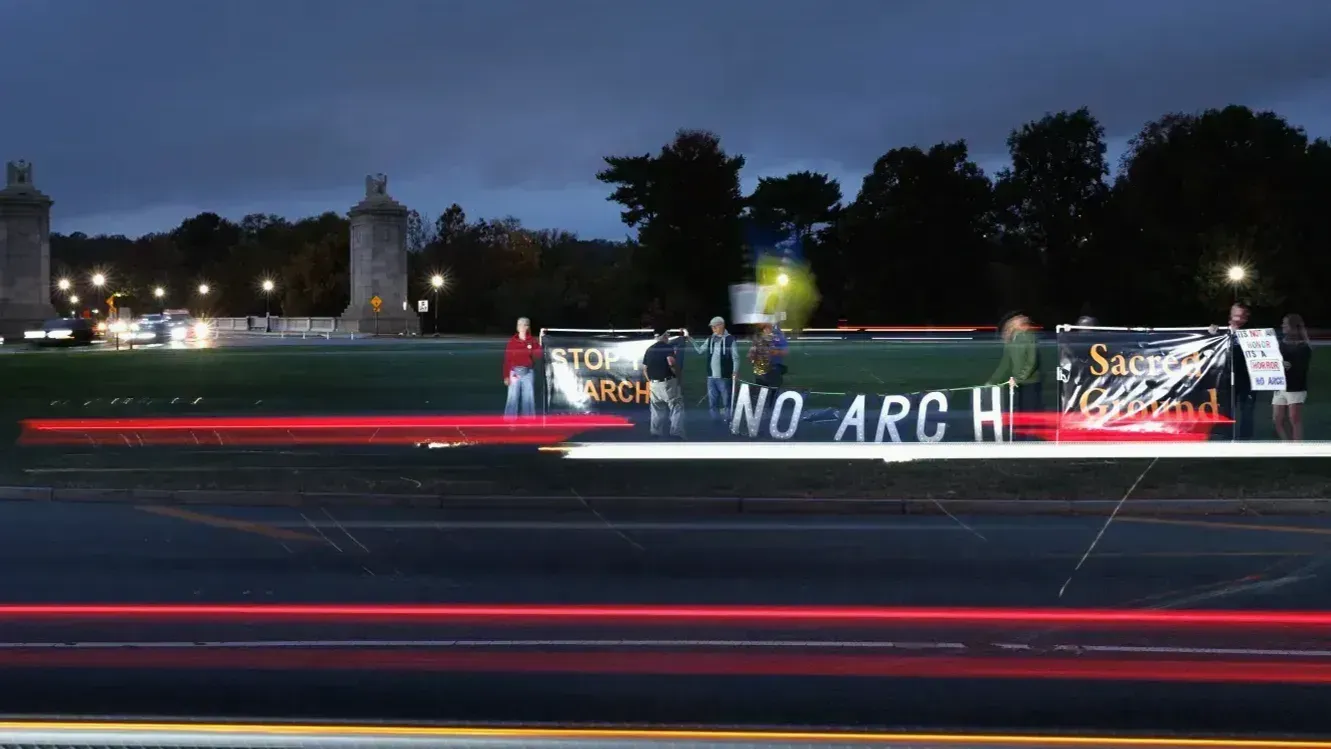
In a dramatic late night turn of events, a federal judge stepped in to halt the construction of a massive arch proposed by the Trump administration, issuing a blocking order just minutes after the project received official approval. District Court Judge Tanya Chutkan barred any construction work for fourteen days, effectively freezing a plan that administration officials hoped to launch immediately. The ruling follows a contentious process that culminated in an eight to four vote by the National Capital Planning Commission, a body largely composed of presidential allies who pushed the project through despite hours of fierce opposition.
The planned two hundred fifty foot structure would sit atop Memorial Circle, serving as a gateway between the Lincoln Memorial and Arlington National Cemetery. While proponents framed the monument as a patriotic tribute, opponents viewed it as a costly vanity project designed for self-memorialization. Local governments in Washington and Virginia fought the proposal in court, warning that twenty hour daily construction shifts over several years would create catastrophic traffic congestion and logistical chaos on one of the city’s most sensitive corridors.
Judge Chutkan expressed skepticism regarding the government’s shifting justifications for the build, specifically questioning sudden claims that the arch was necessary for national security. Her thirty three page opinion noted that local authorities would likely suffer immediate harm if work commenced. This judicial intervention comes amid broader legal challenges from architectural historians and Vietnam War veterans who argue that such a significant modification to the capital requires direct congressional approval, something the administration has yet to secure.
The road to this deadlock was paved with intense public outcry during a virtual hearing that saw more than one hundred citizens sign up to testify. From heartbroken families with loved ones buried at Arlington to historic preservationists worried about obstructed vistas, many pleaded with commissioners to reject the design. Despite these appeals and reports that contractors had already begun painting markers on the site without proper authorization, commission members moved quickly toward approval, setting off an eleven hour legal collision that ended with the courtroom winning out over the planning board.
Related Stories

Oil Markets Dip as Trump Signals Deescalation Amid Tense Standoff With Iran
Global oil prices saw a notable decline on Monday as investors reacted positively to signals from President Trump suggesting he sees no…
Past Allegations Surface After Man Arrested in Interstate Teen Abduction Case
Authorities have arrested Adam Hunter Harmel following a harrowing ordeal involving a teenager from Utah who was taken across state lines and…

Octagon Ambitions Fade as Trump Clarifies UFC Offer Was a Joke
Donald Trump put an end to a whirlwind weekend of political speculation on Sunday evening, clarifying that his offer to make UFC…