
Federal Government Drops Legal Battle Over Disputed California Ballots
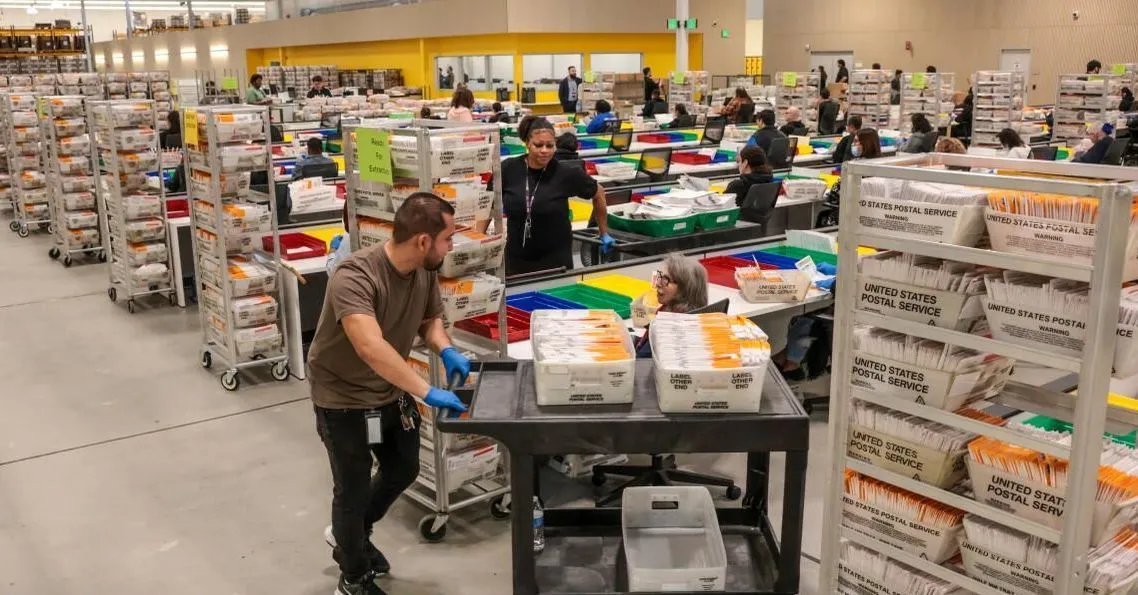
The U.S. Justice Department has officially moved to dismiss its lawsuit attempting to block the counting of 20,000 ballots in California, admitting that any potential remedy is now impossible following the conclusion of the midterm elections. The legal fight began when federal prosecutors sought a court order to segregate these specific ballots, alleging they may have been cast by noncitizens. However, the effort hit a wall across multiple judicial levels, ending when the Supreme Court declined to hear an appeal from the Trump administration.
U.S. District Judge David O. Carter had previously slammed the government’s request as likely unconstitutional, noting that authority over elections rests with states and Congress rather than the executive branch. In a scathing ruling late last month, Carter described the administration’s claims regarding ineligible voters as not credible and warned that such interference could wreak havoc on the democratic process and disenfranchise legitimate citizens for political gain.
In recent filings, Assistant U.S. Attorney Julie Hamill explained that since California has already mixed the disputed ballots with others, there is no longer any physical way to isolate them for review. While Justice Department spokespeople maintain that the administration remains committed to purging noncitizens from voter rolls in other pending cases, they acknowledged that this particular litigation has become moot because they exhausted all avenues for timely relief through the court system.
Local and state officials expressed significant relief at the decision to drop the suit. L.A. County Registrar-Recorder Dean Logan praised the clarity provided by the courts throughout the proceedings, while California Attorney General Rob Bonta framed the outcome as a victory against unlawful efforts to interfere with state elections. Despite the resolution of this case, election administrators say they remain vigilant and prepared for future challenges to their voting processes.
Related Stories

Oil Markets Dip as Trump Signals Deescalation Amid Tense Standoff With Iran
Global oil prices saw a notable decline on Monday as investors reacted positively to signals from President Trump suggesting he sees no…
Past Allegations Surface After Man Arrested in Interstate Teen Abduction Case
Authorities have arrested Adam Hunter Harmel following a harrowing ordeal involving a teenager from Utah who was taken across state lines and…
Octagon Ambitions Fade as Trump Clarifies UFC Offer Was a Joke
Donald Trump put an end to a whirlwind weekend of political speculation on Sunday evening, clarifying that his offer to make UFC…